


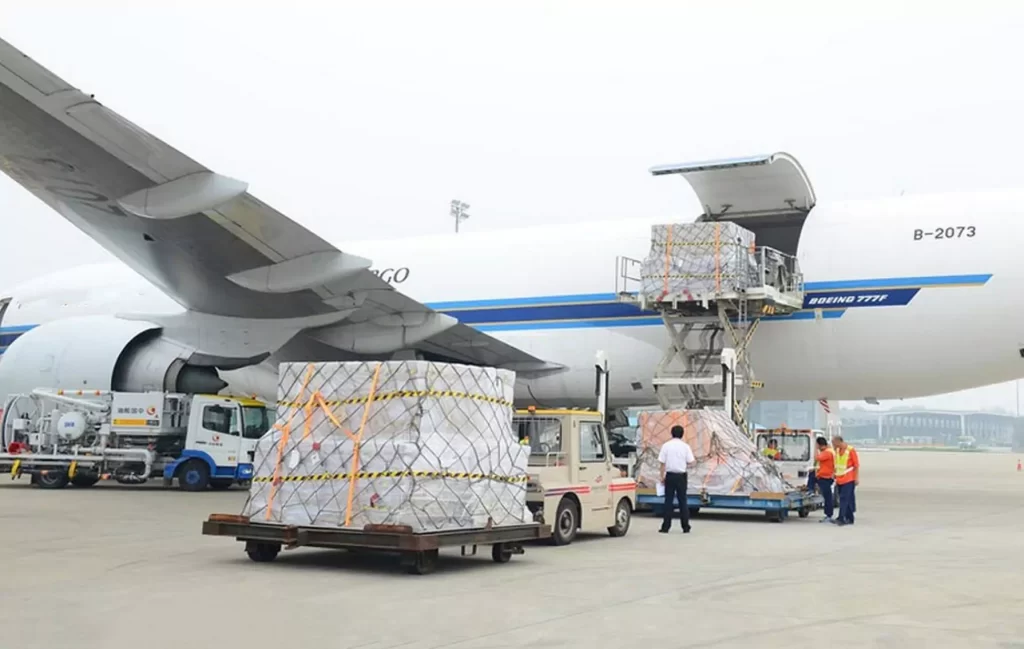
Airport Cargo Services: The Fastest Solution for International Shipping
In today’s fast-paced global economy, businesses and consumers expect products to move across borders quickly, safely, and efficiently. Whether shipping urgent documents, high-value electronics, medical supplies, or perishable goods, speed has become a critical factor in international trade. This is where airport cargo services play a vital role.
Airport cargo services provide one of the fastest and most reliable methods of transporting goods worldwide. By utilizing extensive airline networks, advanced logistics systems, and modern cargo handling facilities, air freight has become an essential component of global supply chains.
This article explores how airport cargo services work, their advantages, challenges, and why they are considered the fastest solution for international shipping.

What Are Airport Cargo Services?
Airport cargo services refer to the transportation, handling, storage, and management of goods through airports using cargo aircraft or commercial passenger flights with freight capacity.
These services include:
- Air freight transportation
- Cargo handling and warehousing
- Customs clearance
- Cargo tracking and monitoring
- Packaging and labeling
- Door-to-door delivery solutions
- Express shipping services
Airport cargo operations connect manufacturers, distributors, retailers, and consumers across continents, enabling international trade to function efficiently.
Why Airport Cargo Services Are Important
Globalization has increased the demand for faster shipping solutions. Companies today compete not only on product quality but also on delivery speed.
Airport cargo services help businesses:
- Meet customer expectations
- Reduce delivery times
- Access international markets
- Support e-commerce growth
- Transport high-value products safely
- Maintain supply chain continuity
Without efficient air cargo systems, many industries would struggle to operate effectively in today’s competitive environment.
Key Advantages of Airport Cargo Services
1. Fastest Transit Times
The biggest advantage of airport cargo services is speed.
While ocean freight may take several weeks and land transportation can take days, air cargo often delivers shipments within 24 to 72 hours internationally.
This speed is particularly valuable for:
- Urgent shipments
- Medical supplies
- Automotive parts
- Electronics
- Fashion products
- Business documents
Companies can significantly reduce lead times and improve customer satisfaction through air freight solutions.
2. Global Reach
Modern airports are connected through extensive airline networks that reach nearly every major city worldwide.
Airport cargo services allow businesses to ship goods to:
- North America
- Europe
- Asia
- Australia
- The Middle East
- Africa
Even remote destinations can often be reached faster through air freight than through alternative transportation methods.
3. High Reliability
Airlines operate according to strict schedules.
Unlike maritime transportation, which can be affected by port congestion and weather delays, air cargo generally follows predictable departure and arrival times.
Reliable scheduling helps businesses:
- Plan inventory accurately
- Reduce stock shortages
- Improve supply chain visibility
- Meet contractual delivery deadlines
4. Enhanced Security
Airport cargo facilities maintain high security standards.
Security measures typically include:
- X-ray screening
- Cargo inspections
- Surveillance systems
- Controlled warehouse access
- Customs verification
These procedures reduce the risk of theft, damage, and unauthorized access.
For high-value products such as electronics, pharmaceuticals, and luxury goods, airport cargo services offer greater protection compared to many other transportation options.
5. Reduced Inventory Costs
Faster transportation allows companies to maintain lower inventory levels.
Businesses can:
- Order products more frequently
- Reduce storage expenses
- Improve cash flow
- Minimize warehousing requirements
This strategy is especially beneficial for companies using just-in-time inventory management systems.

Types of Goods Commonly Shipped by Air Cargo
Airport cargo services handle a wide variety of products.
Perishable Goods
Products that require rapid transportation include:
- Fresh fruits
- Vegetables
- Seafood
- Flowers
- Dairy products
Quick delivery helps preserve freshness and quality.
Pharmaceuticals and Medical Equipment
Medical products often require:
- Temperature-controlled environments
- Fast delivery
- Strict compliance standards
Air cargo is essential for transporting vaccines, medicines, and medical devices internationally.
Electronics
Electronic products are frequently shipped by air because they are:
- High-value
- Lightweight
- Time-sensitive
Examples include smartphones, computers, and semiconductor components.
E-commerce Shipments
Online shopping has significantly increased demand for airport cargo services.
Consumers expect:
- Fast delivery
- Real-time tracking
- Reliable service
Air freight supports international e-commerce by enabling rapid cross-border shipments.
Industrial Components
Manufacturers often rely on air cargo for:
- Replacement parts
- Machinery components
- Production equipment
Fast transportation helps prevent costly production delays.
How Airport Cargo Services Work
Step 1: Cargo Booking
The shipper books cargo space through:
- Airlines
- Freight forwarders
- Logistics providers
Shipment details are submitted, including:
- Weight
- Dimensions
- Destination
- Product type
Step 2: Cargo Preparation
Goods are prepared according to airline requirements.
This includes:
- Packaging
- Labeling
- Documentation
- Compliance checks
Proper preparation helps prevent delays and damage.
Step 3: Customs Clearance
Export customs procedures are completed before departure.
Required documents may include:
- Commercial invoice
- Packing list
- Air waybill
- Export permits
Compliance with regulations is essential for smooth transportation.
Step 4: Cargo Handling at the Airport
Once received at the airport, cargo undergoes:
- Security screening
- Sorting
- Storage
- Aircraft loading
Modern cargo terminals use advanced equipment to improve efficiency.
Step 5: Air Transportation
The shipment is transported via:
- Dedicated cargo aircraft
- Passenger aircraft cargo holds
Flights are selected based on destination, urgency, and available capacity.
Step 6: Import Clearance and Delivery
Upon arrival, the shipment passes through import customs procedures before final delivery to the recipient.
Many logistics providers offer door-to-door services for added convenience.

Airport Cargo Services and E-Commerce Growth
The rapid growth of e-commerce has transformed the air cargo industry.
Consumers increasingly demand:
- Same-day delivery
- Next-day delivery
- International shipping
Airport cargo services enable online retailers to fulfill these expectations.
Benefits for e-commerce businesses include:
- Faster order fulfillment
- Better customer satisfaction
- Expanded international reach
- Reduced delivery times
As cross-border e-commerce continues to grow, airport cargo services will remain a critical logistics solution.
Technology Transforming Airport Cargo Operations
Modern airport cargo facilities utilize advanced technologies to improve efficiency and accuracy.
Artificial Intelligence (AI)
AI helps optimize:
- Cargo routing
- Capacity planning
- Demand forecasting
- Risk management
Internet of Things (IoT)
IoT devices provide:
- Real-time shipment monitoring
- Temperature tracking
- Location visibility
These capabilities are especially valuable for sensitive cargo.
Automation
Automated systems improve:
- Cargo sorting
- Warehouse operations
- Inventory management
- Loading processes
Automation reduces human error and increases operational efficiency.
Digital Documentation
Electronic documentation speeds up:
- Customs clearance
- Regulatory compliance
- Shipment processing
Digital transformation continues to streamline international cargo operations.
Challenges Facing Airport Cargo Services
Despite its advantages, air cargo faces several challenges.
Higher Costs
Air freight is generally more expensive than sea freight.
Factors influencing costs include:
- Fuel prices
- Airport fees
- Security requirements
- Aircraft operating expenses
Businesses must balance speed and cost when selecting transportation methods.
Capacity Limitations
Demand for cargo space can increase during:
- Peak shopping seasons
- Global emergencies
- Supply chain disruptions
Limited capacity may result in higher shipping rates.
Regulatory Compliance
International shipments must comply with various regulations.
Requirements differ between countries and may involve:
- Customs procedures
- Import restrictions
- Security standards
- Documentation requirements
Failure to comply can cause delays and penalties.
Environmental Concerns
Air transportation generates higher carbon emissions compared to some other shipping methods.
The industry is actively pursuing:
- Sustainable aviation fuel
- Fuel-efficient aircraft
- Carbon reduction initiatives
Sustainability is becoming an increasingly important priority for logistics providers.
Choosing the Right Airport Cargo Service Provider
Selecting a reliable cargo partner is essential for successful international shipping.
Consider the following factors:
Experience and Reputation
Choose providers with:
- Industry expertise
- Positive customer reviews
- Global logistics experience
Network Coverage
A strong international network ensures broader destination coverage and more routing options.
Tracking Capabilities
Real-time shipment tracking improves transparency and customer confidence.
Customs Expertise
Experienced providers can help navigate complex customs requirements and reduce clearance delays.
Customer Support
Responsive customer service is critical when dealing with urgent shipments and unexpected issues.

The Future of Airport Cargo Services
The future of airport cargo services looks promising.
Several trends are shaping the industry:
Increased Automation
Smart warehouses and automated cargo handling systems will improve efficiency and reduce costs.
Sustainable Operations
Airlines and logistics providers are investing in greener technologies and environmentally friendly practices.
Expansion of Cargo Infrastructure
Many airports worldwide are expanding cargo terminals to accommodate growing demand.
Growth of Cross-Border E-Commerce
International online shopping will continue driving air cargo volumes.
Digital Supply Chains
Advanced technologies will improve visibility, predictability, and operational efficiency across global logistics networks.
Conclusion
Airport cargo services have become the fastest and most reliable solution for international shipping in today’s interconnected world. Their ability to deliver goods quickly, securely, and efficiently makes them essential for industries ranging from e-commerce and healthcare to manufacturing and retail.
Despite challenges such as higher costs and environmental concerns, ongoing technological innovation and infrastructure investment continue to strengthen the air cargo industry. As global trade expands and customer expectations for rapid delivery increase, airport cargo services will remain a cornerstone of international logistics.
For businesses seeking speed, reliability, and global reach, airport cargo services offer an unmatched transportation solution that supports growth, competitiveness, and success in the modern marketplace.
Learn more:
Changi Airport begins building of the multibillion-dollar T5 terminal
Secure Document Shipping to Taiwan | Fast, Reliable, and Cost-Effective
